


Want to sell garri in Cameroon? Quality standards you must meet
If you are planning to sell garri in Cameroon, here is something you need to understand—this market does not compromise on quality. Cameroon is one of the largest garri-consuming countries in Africa, and the quality requirements here are extremely strict.
To successfully enter the Cameroonian garri market, your garri product must meet high standards. In this article, Jinrui Foodtech breaks down the key quality indicators you need to know—dryness, color, granule size, taste, and purity. Understanding these standards is the first step toward building a successful garri business in Cameroon.
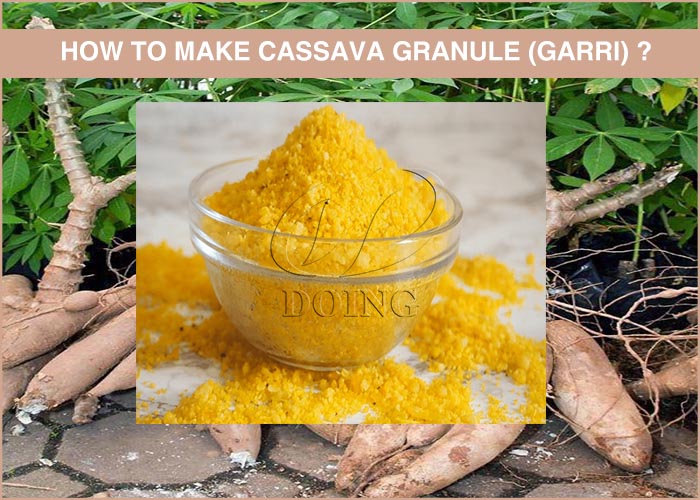 Garri production
1. Purity – No Impurities, No Dust
For Cameroonian consumers, purity is the first quality indicator they look for in garri. If your garri contains visible impurities or has high ash content, it simply will not compete in this market—in fact, it may not sell at all. That is why, if you want to build a successful garri business in Cameroon, ensuring your garri meets purity standards must be your top priority.
How to get it right: Achieving the right purity starts with a clean processing environment. Avoid traditional sun-drying methods for dewatering, as they often expose cassava pulp to dust and contaminants, leading to high ash content in the final product. Instead, use modern garri processing equipment like a hydraulic press. It keeps the dewatering process fully enclosed, protecting your product from pollution and ensuring your garri comes out clean and pure every time.
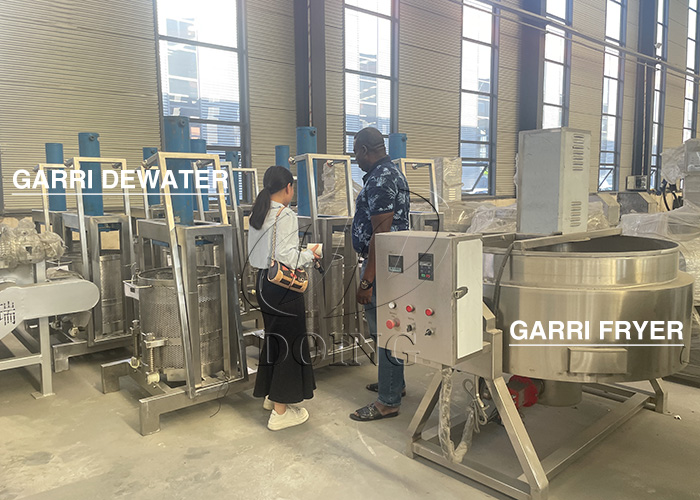 Garri frying machine
2. Dryness – 12% Moisture Content for Safe Storage
Dryness is another critical quality indicator that Cameroonian consumers look for in garri. Garri with excessive moisture spoils quickly—mold grows, and the product becomes unsellable. According to Cameroonian standards, which align with FAO recommendations, the best moisture content for garri sold locally is 12%, which is essential for garri export readiness and long-term storage, preventing mold growth and spoilage during transportation or storage.
How to get it right: Achieving the ideal dryness depends largely on garri frying process. Manual frying often leads to uneven moisture levels—some granules undercooked and damp, others burnt and over-dried. An automatic garri fryer with temperature control solves this problem. Take Jinrui Foodtech's garri fryer, for example. It maintains steady heat and stirs continuously, ensuring every granule dries evenly to reach that optimal 12% moisture content, getting consistently dry garri that meets Cameroonian quality standards.
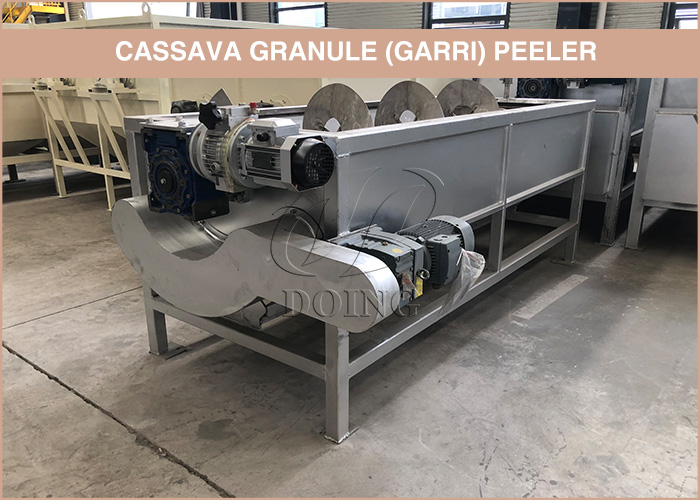 Cassava peeler
3. Color – Clean and Uniform
When buying garri, Cameroonian consumers prefer garri that is clean and uniform in color—whether natural white garri or yellow garri processed with palm oil, color uniformity is key. No dark specks. No burnt patches. Uneven color indicates rough processing and unstable quality. In a competitive market, garri with poor color simply has no place.
How to get it right: Garri color depends on two key steps—peeling and frying. If cassava is not peeled thoroughly, dark skin fragments will mix into the garri and affect its color. A high-quality peeling machine with a 98% peeling rate can completely solve this problem. During frying, using an automatic garri fryer with continuous stirring prevents burning and ensures every batch of garri has uniform color. When your garri looks clean and uniform, it meets the high expectations of Cameroonian consumers from the very first glance—and keeps them coming back.
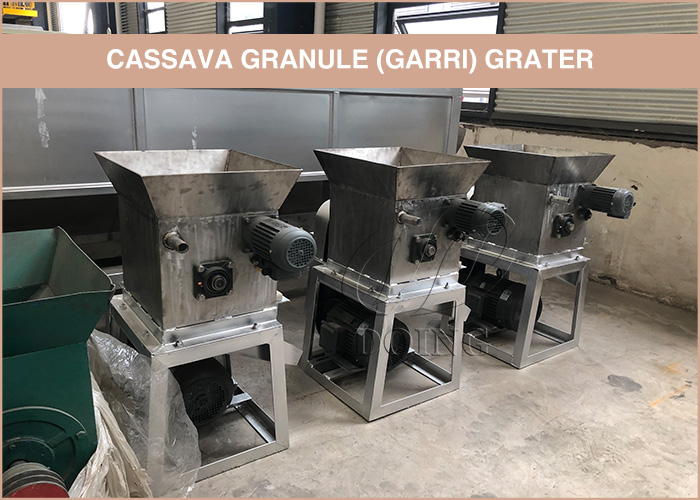 Cassava grater
4. Granule Size – Consistency Shows Quality
For Cameroonian consumers, granule size directly affects how garri is used. Fine particles are preferred for making smooth eba dough, while coarse granules add texture to traditional dishes. They expect uniform granules—not a mix of fine powder and oversized chunks. If your garri lacks consistency, it signals poor processing and has no place in Cameroon's quality-driven market.
How to get it right: Uniform granule size starts with your grating process. A high-efficiency cassava grater ensures the mash is broken down evenly, creating a consistent foundation for granule formation. In addition, a sieving machine further refines your garri, separating it into precise, uniform sizes. With proper grating and sieving, you can consistently produce garri that meets Cameroon's high standards—whether your customers prefer fine or coarse textures.
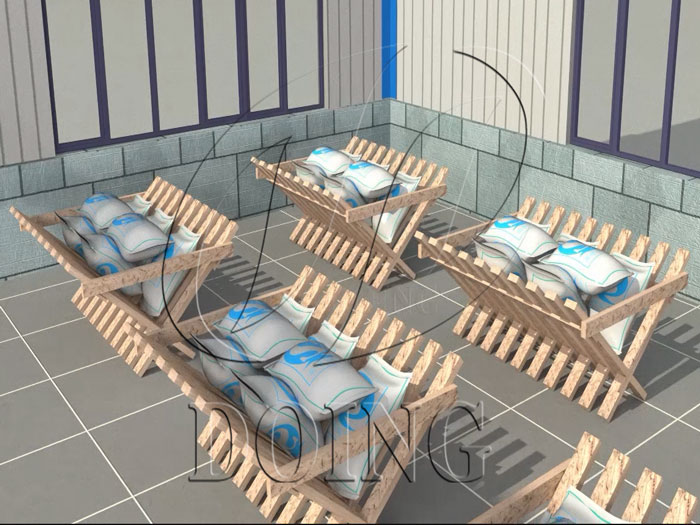 Garri fermentation
5. Taste – The Signature Sourness
For Cameroonian consumers, the mild sour taste is what makes garri distinct—and it comes from carefully controlled fermentation. Under-ferment, and your garri tastes bland. Over-ferment, and it becomes sharp and unpleasant. In Cameroon's quality-conscious market, getting the taste right is essential for building a loyal customer base.
How to get it right: Fermentation must be controlled. Traditional methods using sacks or open containers leave results vulnerable to weather changes and contamination. Stainless steel fermentation tanks give you precise control over time and conditions. You decide how long fermentation lasts. You get the same balanced sourness every batch.
Selling garri in Cameroon comes down to one thing—consistently meeting the quality standards that local consumers expect. From purity and dryness to color, granule size, and taste, every indicator plays a role in building trust and winning customers.
The right garri processing equipment makes all the difference. With Jinrui Foodtech's solutions, you can control every stage of production—when your process is reliable, your quality stays consistent, and your garri stands out in Cameroon's competitive market. Ready to start? Contact Jinrui Foodtech today to find the equipment that fits your goals.
-
 Cel/WhatsApp: +8613526615783
-
 Phone: 008613526615783
-
 E-mail: sales@doingmachinery.com
-
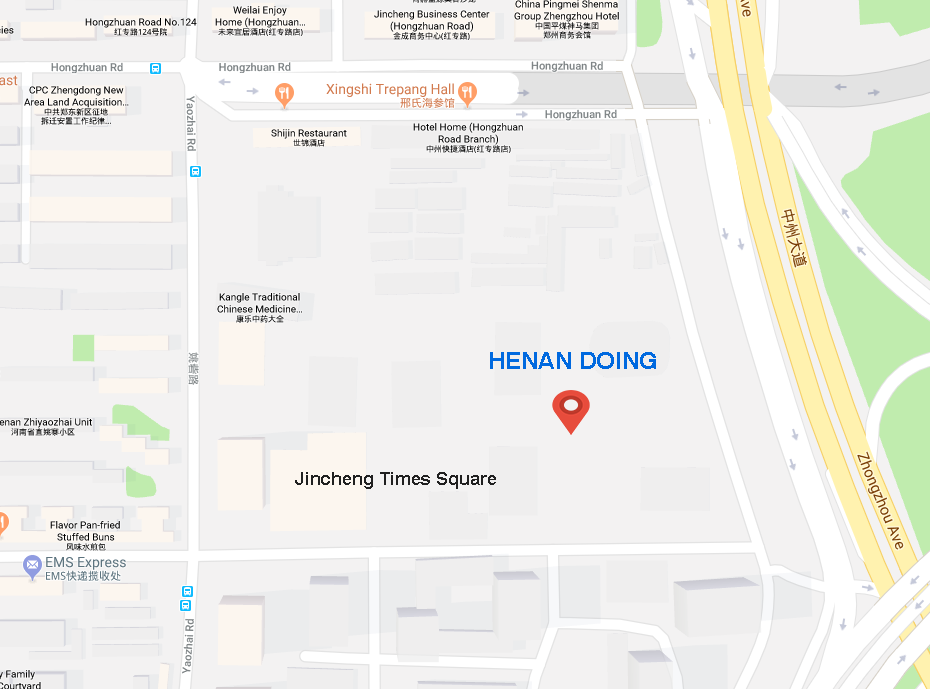
 Address: Room 1408,14th Floor,Building 9,No.133 Yaozhai Road,Jinshui District,Zhengzhou City,Henan Province,China
Related Projects
Contact Us
Want to know more about our products or services? Fill out the contact form below, and we’ll to get back to you and you will get the price list. Please also feel free to contact us by email or phone.( * Denotes a required field).
- Do you want to buy machine?
- Yes, I want to buy machine
- No, I want to learn more in advance
- What is your raw material?
- Cassava
- Potato
- Sweet potato
- Other:
- What type of equipment are you looking for?
- Single Machine
- Complete production line
- Which single machine do you want?
- Dry sieve
- Paddle washer
- Cassava peeler
- Cassava cutter
- Cassava grinder
- Cassava rasper
- Hydraulic press
- Garri fryer
- Cassava sieving machine
- Other:
- What type of equipment are you looking for?
- Complete production line
- Single Machine:
- What is the final product you want to produce?
- Chips
- Flour
- Starch
- What is the final product you want to produce?
- Garri
- Cassava flour
- Cassava starch
- Cassava chips
- Attiekie
- Bammy
- Other:
- How many tons of the final product do you want to process?
- <1 ton per day
- 1 ton per day
- 2 tons per day
- 3 tons per day
- 3-10 tons per day
- 10-20 tons per day
- >20 tons per day
- What is the usage of your cassava chips ?
- Food usage (like fried chips)
- Industrial usage (like animal feeds, ethanol, flour)
- How many tons of the final product do you want to process?
- <5 ton per hour
- 5-10 tons per hour
- >10 tons per hour
- How many tons of the final product do you want to process?
- <500 kg per hour
- 0.5-5 ton per hour
- 5-10 ton per hour
- >10 ton per hour
- What is your daily cassava input (tons)?
- Other: